The short answer
Responsibility for pests in a subdivided flat depends on the specific tenancy chain. Repair obligations between a landlord and tenant are primarily a matter of contract, and responsibility generally tracks the cause: a shared-plumbing or structural issue tends to sit with the landlord or building management, a usage-driven problem tends to sit with the tenant, and a sub-landlord (二房東) usually plays a coordinating role in between.
This article is not legal advice — it's here to help you establish the facts and figure out the next step.
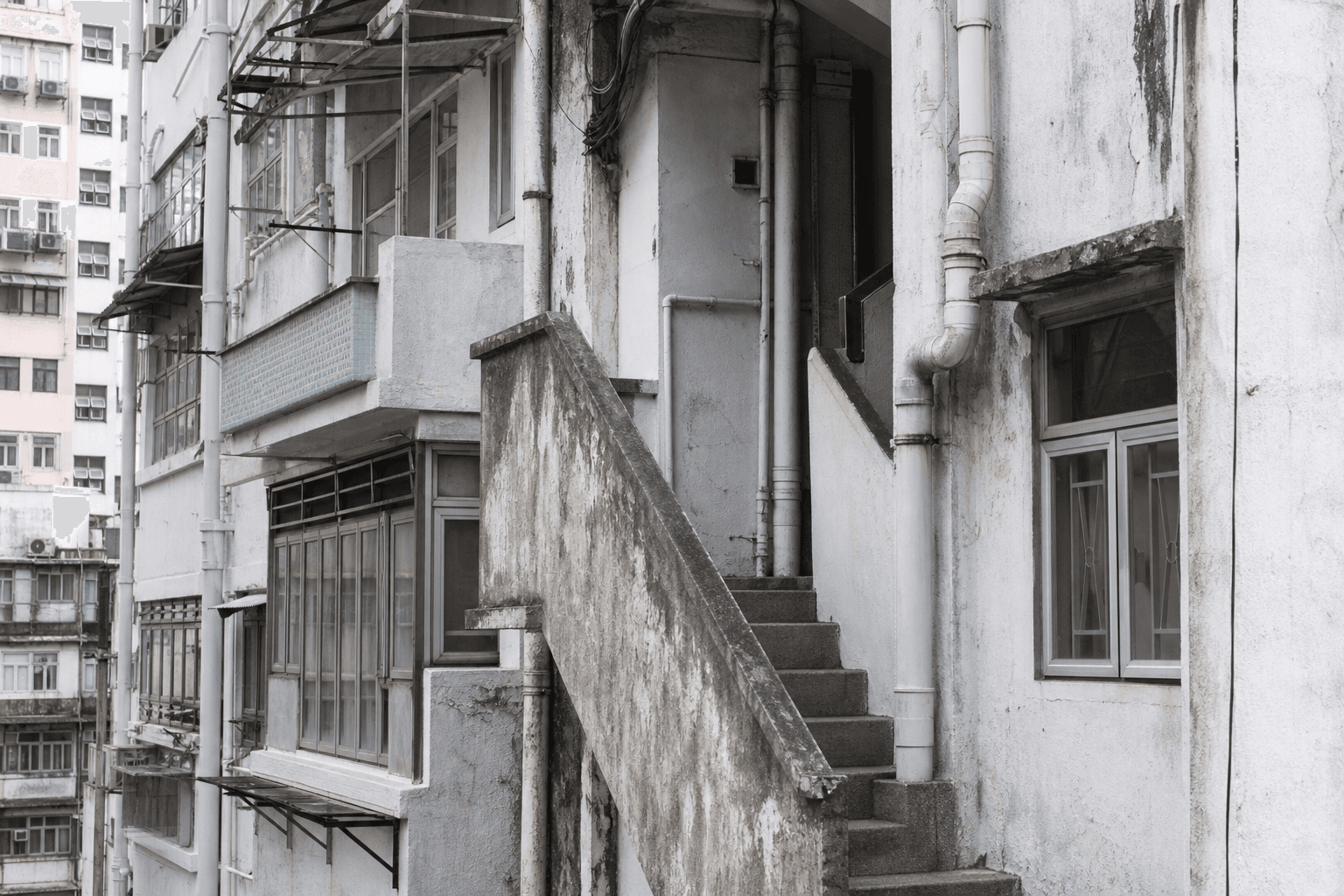
Why do pests move between rooms so easily in a subdivided flat?
Subdivided flats are typically partitioned with lightweight stud walls or brick, often leaving gaps between the wall and a false ceiling; units on the same floor also commonly share a single set of drainage pipes, plumbing runs and cable conduits. None of this reflects a hygiene problem in itself — it's simply how these conversions are built. But it does give pests like cockroaches and bed bugs more routes to move between units: one unit having a problem doesn't mean the others are automatically unaffected. Subdivided units also typically share the floor corridor, refuse collection point and drainage system, which are common-area matters generally handled by the owners' corporation or the building's management, not something any individual tenant can resolve alone.
Who's responsible: landlord, sub-landlord, or tenant — it depends on the cause
As with any tenancy, responsibility for pests in a subdivided flat doesn't depend on who lives there — it depends on the tenancy agreement and what caused the problem. Where the agreement is silent, general practice looks at similar repair-responsibility principles: repair obligations are primarily a matter of contract between landlord and tenant, and there's generally no implied duty compelling either party to repair. Applying that here, a few common patterns tend to hold:
| Situation | Who tends to be responsible | Why |
|---|---|---|
| Pests from ageing or leaking shared plumbing/drainage | Landlord / building management | This is structural or common-area repair territory, generally outside any individual tenant's control |
| Poor sealing left over from how the sub-landlord partitioned the unit (gaps in stud walls, unsealed false-ceiling openings) | Landlord / sub-landlord (depends who did the partition work) | This is a leftover issue from the conversion itself, not from how the space is used |
| Pests from personal storage or usage habits (e.g. clutter blocking a floor drain long-term) | Tenant | Tends to be treated as a usage issue, distinct from wear and tear or a structural cause |
| Pests spreading in from another subdivided unit on the same floor via shared gaps/plumbing | Responsibility is shared — needs the landlord/sub-landlord to coordinate across units | Treating a single unit may not resolve it if the source is next door or in shared plumbing |
This table is a general reference direction, not a legal conclusion — actual responsibility still depends on your tenancy agreement, any sub-letting agreement, and the specific facts.
Where does the sub-landlord (二房東) fit in?
A layer unique to subdivided flats is the sub-landlord — someone who is simultaneously the landlord's tenant and the tenant's landlord, and in practice often ends up coordinating between the two. When a pest problem comes up, the more practical approach for a sub-landlord is: first work out the likely cause (structural versus usage-driven), raise anything involving shared plumbing or structure with the landlord or management office, and arrange treatment directly for anything that's purely an internal unit issue. This role isn't about deciding legal liability — it's practical coordination.
How an inspection record can help
Much like a mould dispute, the hardest part of a subdivided-flat pest dispute is often not the legal question of who's responsible (which Averta can't answer for you), but the factual question of what actually happened — how widespread is the problem, and where's the source (shared plumbing, a neighbouring unit, or something inside your own unit)? An independent inspection record can help you, the landlord, the sub-landlord or the management office establish a shared factual foundation: it documents the extent and location of the problem (photos plus written description), gives an initial read on the likely source (structural/common-area versus internal to the unit), and — if a shared-plumbing or structural cause is suspected — recommends next steps such as referring it to the management office or owners' corporation. This record isn't a legal document, but it gives everyone a common set of facts before discussing an actual allocation of responsibility. The same logic underpins our landlord/tenant mould responsibility guide. If you want a source inspection for cockroaches, bed bugs or rodents specifically, see cockroaches, bed bugs and rodents.