The short answer
Averta helps property managers separate common-area treatment from individual-flat enquiries. We inspect the baseline conditions, agree the areas and visit frequency, and document each visit. Resident referrals can be coordinated separately; responsibilities and access are confirmed for the property.
Where we support property management teams
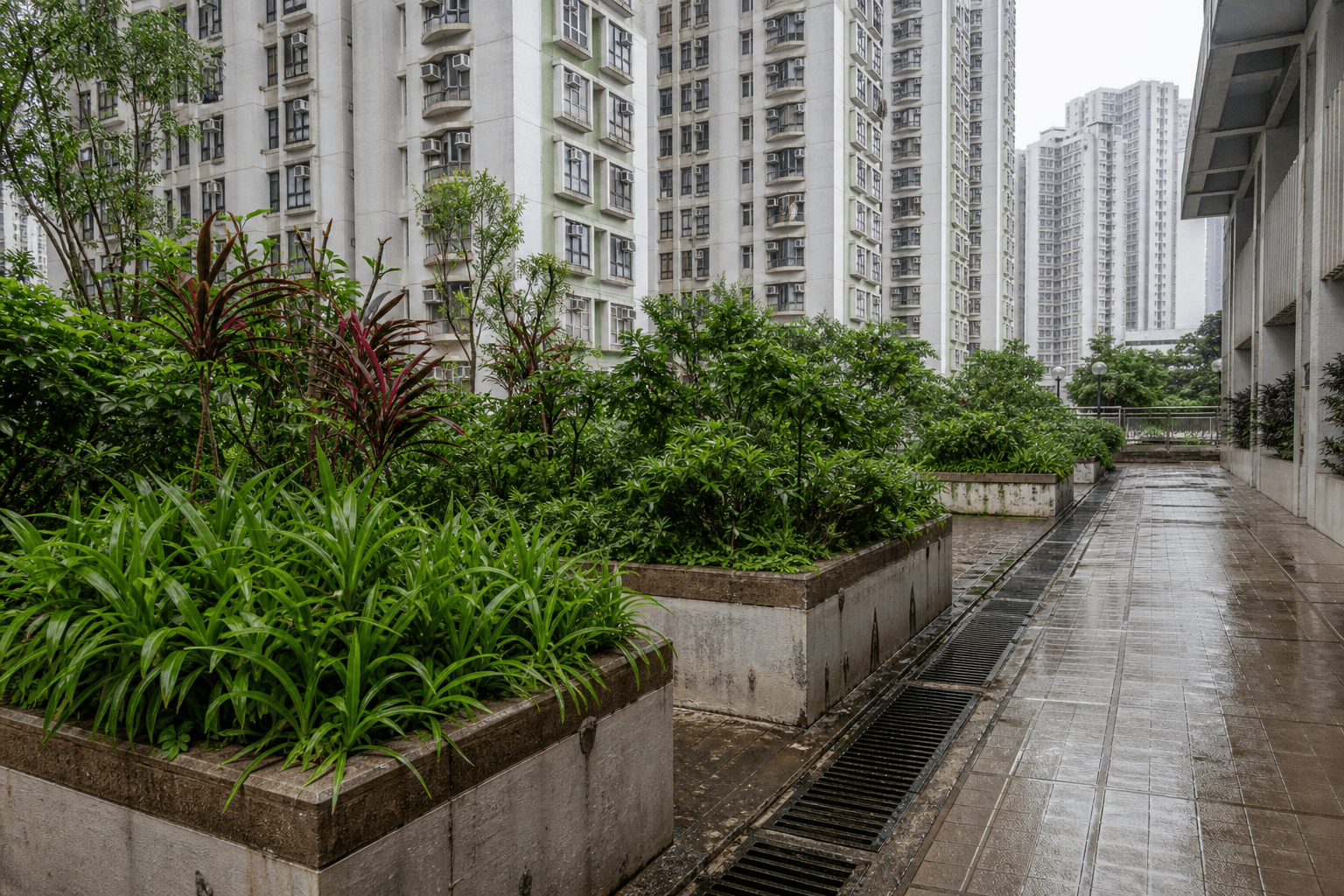
- Scheduled treatment contracts — refuse rooms, back stairwells, water meter rooms, drainage channels, podium gardens: monthly or quarterly inspection and treatment, with an inspection record and recommendation report attached each time.
- Wasp nests: managed residential premises and private non-residential premises are outside FEHD’s wasp removal service. Management or the owner arranges removal; we assess height, access and location before quoting and scheduling the work.
- Mosquito management: FEHD’s area index provides context for standing-water checks, alongside conditions found on site. It is not a diagnosis of an individual property.
- Unexpected pest activity: send the location and photos of rodents, termite swarmers or another concern. We discuss the inspection needed and confirm available work windows separately.
- Resident referrals: individual-flat enquiries can be handled separately, with their own agreed scope and quote rather than being confused with the common-area contract.
Documentation for owners' committees and procurement
Clear records help your team review what was agreed and what was done. Quotes and visit reports set out the following; raise any additional procurement requirements before booking.
- Service records — every visit: date, areas, findings, products used (with AFCD registration numbers), recommended follow-ups, itemised.
- Product register — we use AFCD-registered pesticides only; the full list with registration numbers is available with any quote.
- Itemised quotations — our public pricing logic applied to estate scope: no hidden line items.
- Anything else your procurement process requires — raise it at quotation and we answer item by item.
Three things your team can verify
- Traceable visits: inspection findings, treatment areas and follow-up recommendations help owners and management review the work.
- Identifiable products: where pesticides are used, the report records the Hong Kong-registered product and registration number.
- Comparable scope: residential starting prices are a reference, while property contracts are quoted by the areas and frequency required.