The short answer
The Food and Environmental Hygiene Department (FEHD) licenses food premises in Hong Kong, and a restaurant's hygiene condition falls within that licensing scope — pest control is generally treated as part of hygiene management, and operators are responsible for the condition of their own premises. That said, this article is not an official guide: FEHD doesn't publish a single itemised standard covering specific licence conditions, inspection scoring, or the exact threshold for a demerit or licence action, so treat FEHD's own published material as the authority if you need to verify anything specific.
What follows is practical: what an inspection typically looks for, how to keep records, and how back-alley responsibility is usually split.
What does FEHD licensing have to do with pests?
FEHD licenses food premises, and a restaurant's hygiene condition falls within that licensing scope — pest control is generally treated as part of hygiene management, with operators responsible for the condition of their own premises. Worth repeating: this article is not an official guide. Specific licence conditions, inspection scoring standards, and the exact threshold for a demerit or licence action aren't something FEHD publishes as a single itemised list we can quote from — if you need to verify the actual rules, go to FEHD's own published material or contact them directly. What follows is practical guidance on what an inspection typically looks for and how an operator can prepare, not a clause-by-clause reading of any regulation.
What does a hygiene inspection typically look for?
FEHD's published guidance on cockroach prevention focuses on physical conditions: keeping kitchen and storage areas dry and clean, storing food properly, clearing food scraps thoroughly, sealing cracks and crevices in walls and furniture, and covering floor drains. That is published prevention guidance, not a list of inspection scoring criteria — the actual licensing conditions are whatever FEHD publishes, and we don't paraphrase them for you. Separately, any pesticide used must be a product registered in Hong Kong before it can be sold or used.
How do records help?
Even though a pest sighting alone doesn't automatically translate into a licensing problem, a complete treatment record — date, scope, the name of the registered pesticide used, findings and recommendations — is concrete evidence you've kept up proper prevention measures, and it's useful during a hygiene inspection, a licence renewal, or even a conversation with your landlord. Averta's restaurant pest control service provides this kind of record with every visit; an on-site inspection is HK$350, fully credited when you book, and we only recommend a scheduled treatment contract after we've actually seen the premises.
The back alley isn't part of my premises — what then?
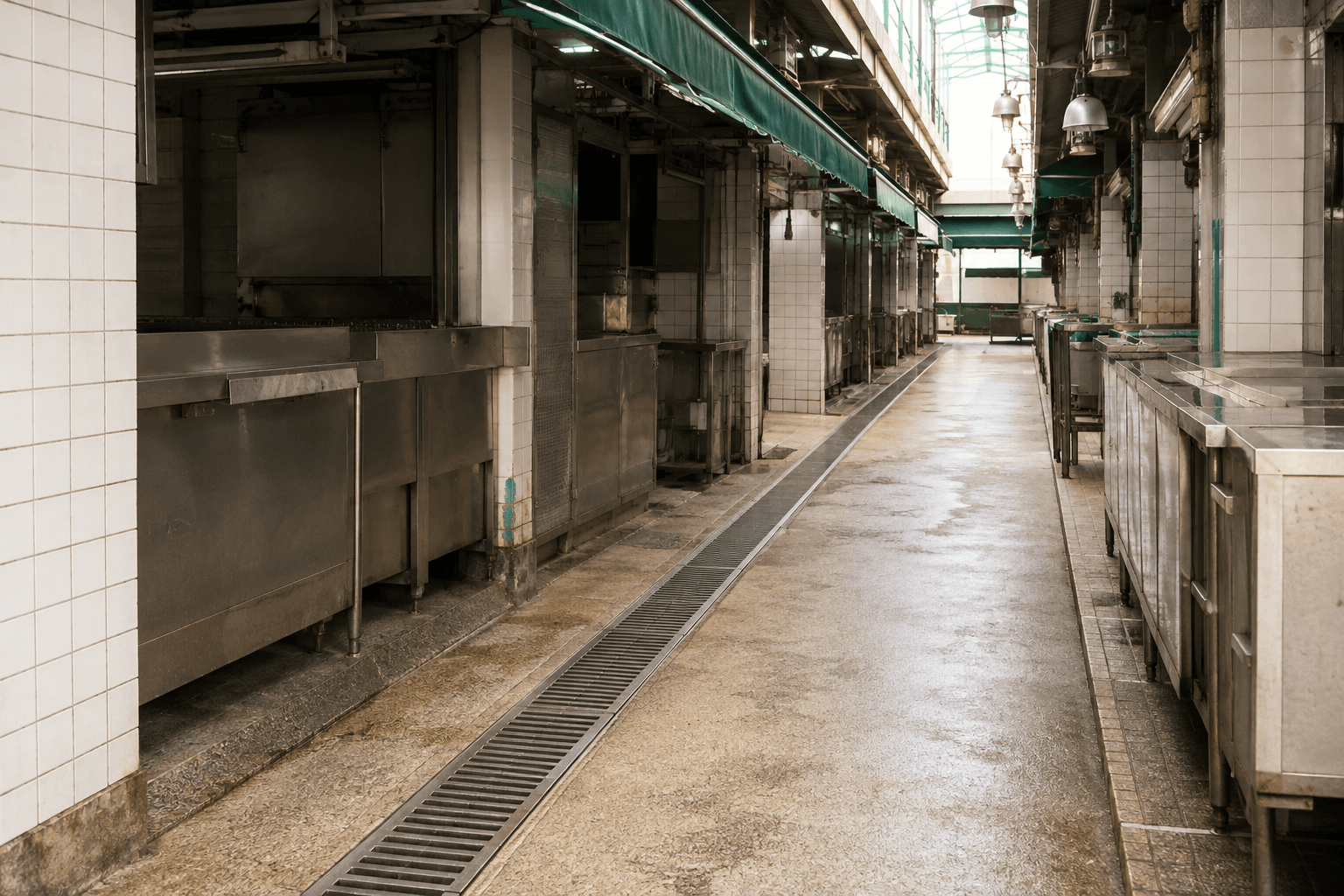
A back alley is public space, not part of your private premises, but you still control your own line of defence: sealing the back door, covering floor drains, and keeping stock away from the wall. Hygiene issues in the shared part of the alley can be reported to FEHD; pooling a scheduled treatment plan with neighbouring shops along the same row typically delivers better results at a lower cost than each shop handling it alone. For source-treatment detail on the two pests that matter most here, see cockroaches and rodents.