The short answer
You have no power to force a neighbour to treat their own flat — that's their private business — but there are three things you can do: treat your own flat properly (seal gaps, cut off food sources), raise it with the management office if you suspect the source is your neighbour's flat or a shared common area, and get an independent inspection if you need evidence of the spread. This isn't legal advice; how much a management office can actually enforce depends on your building's Deed of Mutual Covenant and its own policies.
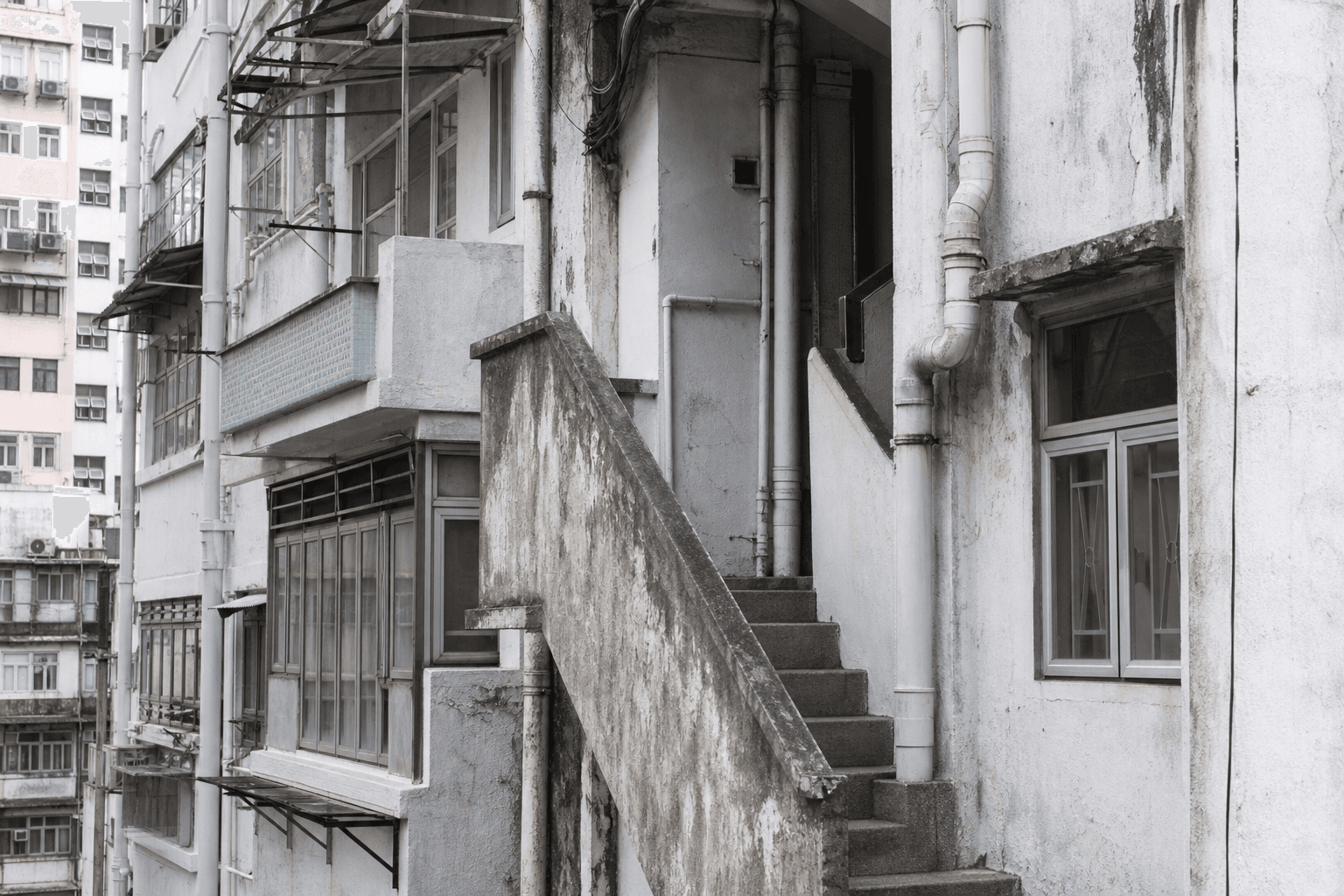
Why does a neighbour's pest problem become your problem?
Adjoining flats usually share gaps around walls, drain pipes, air-con conduits and cable ducts — and pests like cockroaches, ants and rodents routinely travel along exactly these gaps and channels. So pests spreading in from a neighbouring flat is a genuinely common occurrence, and it doesn't mean there's anything wrong with your own hygiene. That said, it's worth separating two things: the source being your neighbour's flat doesn't mean you can hand off all responsibility for treating your own side — your own flat's entry points, especially along the shared wall, are still worth sealing regardless of where the pests started.
Three steps you can take
- Treat your own flat first — seal wall gaps, cover floor drains, and pay particular attention to the side shared with your neighbour (the party wall, shared pipe runs); cut off food sources to reduce the draw. This doesn't need your neighbour's cooperation, you can start immediately, and it's the single most effective thing you control to reduce further spread.
- Document it, then raise it politely first — photograph the spread (for example, activity clustered on the side nearest your neighbour's flat), and where possible, have a polite word directly with your neighbour first — often they genuinely don't realise how bad it's gotten.
- If you suspect the source is your neighbour's flat or a shared area, raise it with the management office — generally speaking a management office has no authority to enter a private flat and treat it themselves (the actual scope depends on your building's DMC) — but they can act as a go-between, or arrange an inspection of any shared area involved. See Building Pest Complaints for the full process.
Can the management office or owners' corporation force a neighbour to act?
There's no one-size-fits-all answer here — how much a management office can actually enforce depends on your building's Deed of Mutual Covenant (DMC) and its own policies, and Averta doesn't provide legal advice on this. As a general matter, a flat's interior falls under the landlord/tenant's own arrangement, and a management office generally has no authority to enter a neighbouring flat and treat a pest problem itself; but if the spread involves a building common area — shared drainage, an exterior wall — the management office does have a role to play. See Building Pest Complaints: Management Office, FEHD, or 1823? for how that works. If the flat in question is rented out, the landlord and tenant there have their own responsibility split too — see Landlord or Tenant: Who Handles Pest Control?.
Should you just treat your own flat, or wait for your neighbour to act?
Honestly: don't just wait. How quickly your neighbour deals with their side isn't within your control, but treating your own flat can start right away — especially sealing gaps and drains along the shared wall. Natural and DIY methods tend to work well for early, small-scale problems — our natural pest control guide is a good starting point. But if a pest problem has already taken hold in your own flat — daytime cockroach activity, or ongoing rodent activity, for example — don't rely on defence alone; a professional inspection will get you there much faster. Averta's home inspection is HK$350, fully credited if you book, and we can help work out whether pests have already spread into your flat from next door, or whether your own flat needs treatment in its own right.