AFCD-registered products onlyTransparent pricingAll 18 HK districtsFree follow-up within warranty

DISTRICT

Pest Control in Wong Tai Sin: Hillside Estates Carry a Structural Pest Pressure

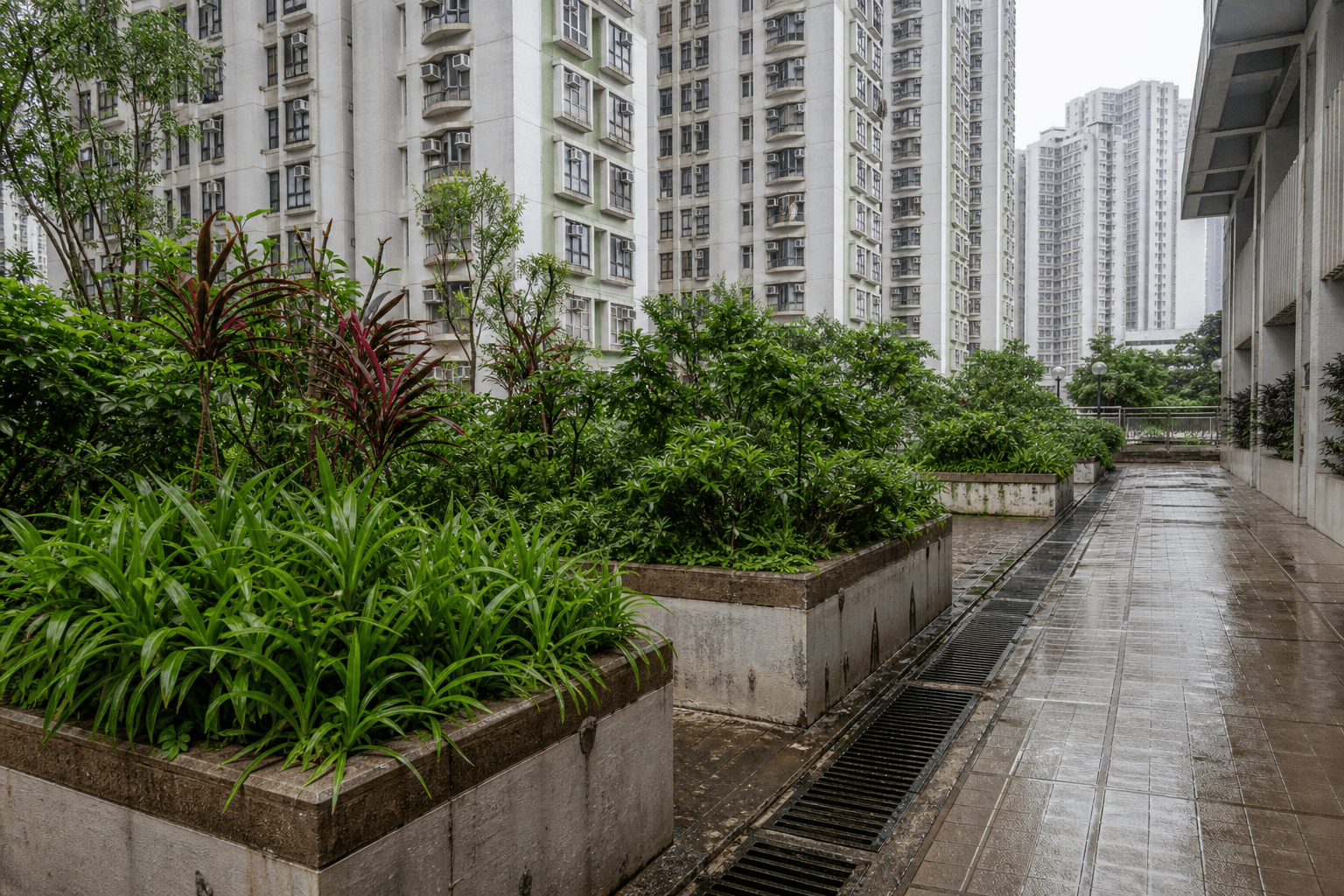
Wong Tai Sin's pest problems connect to a geographic fact — estates near Lion Rock and Tsz Wan Shan are built right up against hillside vegetation, giving them structurally higher mosquito and rodent pressure. A number of older buildings in the district also deal with air-conditioner drip trays and rooftop standing water, which is a building-age issue, not a community issue. On the data side, something worth noting: two separate FEHD monitoring areas, Diamond Hill & Tsz Wan Shan and Wong Tai Sin East, recorded near-identical readings — 16.7% in May and 15.8% in June, at both. Inspection is HK$350, fully credited when you book. Wong Tai Sin's pest ecology comes back to one geographic fact: estates near Lion Rock and Tsz Wan Shan are built into the hillside, right up against the vegetation line — that's a structural, geographic description, unconnected to who lives there, but proximity to that vegetation genuinely brings structurally higher mosquito and rodent pressure. At the same time, a number of older buildings in the district deal with air-conditioner drip-tray water and rooftop standing water, which comes down to building age (older units, older drainage design) rather than anything about the people living in them. The data adds an interesting layer: FEHD's mosquito-trap index, at two entirely separate monitoring areas — Diamond Hill & Tsz Wan Shan, and Wong Tai Sin East — recorded near-identical readings in May (16.7% at both) and June (15.8% at both). Two different locations landing on almost the same number is worth noting on its own — we won't guess at why, but with both readings at that level, standing-water checks are worth doing anywhere along that belt. Over the same period, Wong Tai Sin West ran lower overall, though it briefly hit a single-month high of 18.1% in May before falling to 6.5% in June — a reminder that the whole district's mosquito readings carry some volatility. In Wong Tai Sin, pest control runs on two main threads: hillside structure and building age.

Local pest reality

Mosquito and rodent pressure at hillside estates

Estates near Lion Rock and Tsz Wan Shan are built against hillside vegetation, giving them structurally higher mosquito and rodent pressure; the priority is standing water within the estate and refuse-room sealing, and working with the management office multiplies the effect (see our property management program).

Air-conditioner drip water and rooftop standing water in older buildings

A building-age issue: older drip trays and drainage design are mosquito breeding grounds; residual treatment and clearing standing water need to happen together.

Diamond Hill & Tsz Wan Shan and Wong Tai Sin East moving in step

The two monitoring areas recorded near-identical readings in May and June (16.7% and 15.8% respectively), we won't speculate on why — but both readings were high enough that standing-water checks matter across that belt.

Foot traffic around the Wong Tai Sin Temple area

Dense worshipper and visitor foot traffic brings pest pressure to nearby restaurants and food stalls worth watching; commercial premises are quoted after we see the site.

Service area

Wong Tai Sin, Diamond Hill, Tsz Wan Shan, Chuk Yuen and the Lung Cheung Road area — hillside estate units and shops around the Wong Tai Sin Temple area both covered.

Pricing

Averta's published prices are the same across all 18 districts: cockroaches/ants from HK$980, rodents from HK$1,680, bed bugs from HK$2,980, termites from HK$3,380; a Wong Tai Sin home inspection is HK$350, fully credited when you book. Hillside estate units and commercial premises are quoted based on the actual site, explained item by item at inspection.

Wong Tai Sin's pest problems run on two threads — hillside structure and building age — treat them together

Frequently asked questions

Why are the mosquito readings at Diamond Hill & Tsz Wan Shan and Wong Tai Sin East so similar?

There's a number behind it: two separate FEHD monitoring areas recorded near-identical readings — 16.7% at both in May, 15.8% at both in June. That similarity is worth noting on its own — we won't guess at the cause, but with both areas reading that high, standing-water checks are worth doing across the belt. Over the same period, Wong Tai Sin West ran lower, briefly touching an 18.1% single-month high in May before dropping to 6.5% in June. For the latest reading, see our monthly-updated mosquito index tracker.

Are mosquito and rodent problems worse specifically because estates here are built into the hillside?

There's a structural reason: proximity to hillside vegetation puts the estate right at the natural boundary where mosquitoes and rodents live, and that's unconnected to who lives there. In practice, standing water within the estate (planter trays, open drains, refuse rooms) needs both the management office and residents watching it, while the in-flat defence is sealing plus residual treatment. At inspection we'll spell out which spots are common-area responsibility and which are within your own unit.

I live in an older building and my air-conditioner drip tray collects water — does that breed mosquitoes?

Yes, and it's a common building-age issue — older drip trays and older drainage design collect standing water easily, which breeds mosquitoes. Regularly clearing drip-tray water and checking the drainage is the most direct fix; during a home inspection we'll also flag standing-water risk spots on your rooftop.

WhatsApp QuoteCall