AFCD-registered products onlyTransparent pricingAll 18 HK districtsFree follow-up within warranty

DISTRICT

Pest Control in Sai Kung District: Village Houses Need One Approach, Tseung Kwan O Estates Need Another

Sai Kung District is really two different worlds. Sai Kung Town and the surrounding countryside are dominated by village houses, where termites and hillside mosquitoes matter most; Tseung Kwan O is a reclaimed new town where large-estate podium gardens and drainage systems are the real battleground. FEHD's mosquito-trap index recorded 35.3% at Tseung Kwan O North in May — one of the highest readings anywhere in the dataset — so one price list doesn't cover this district.

Local pest reality

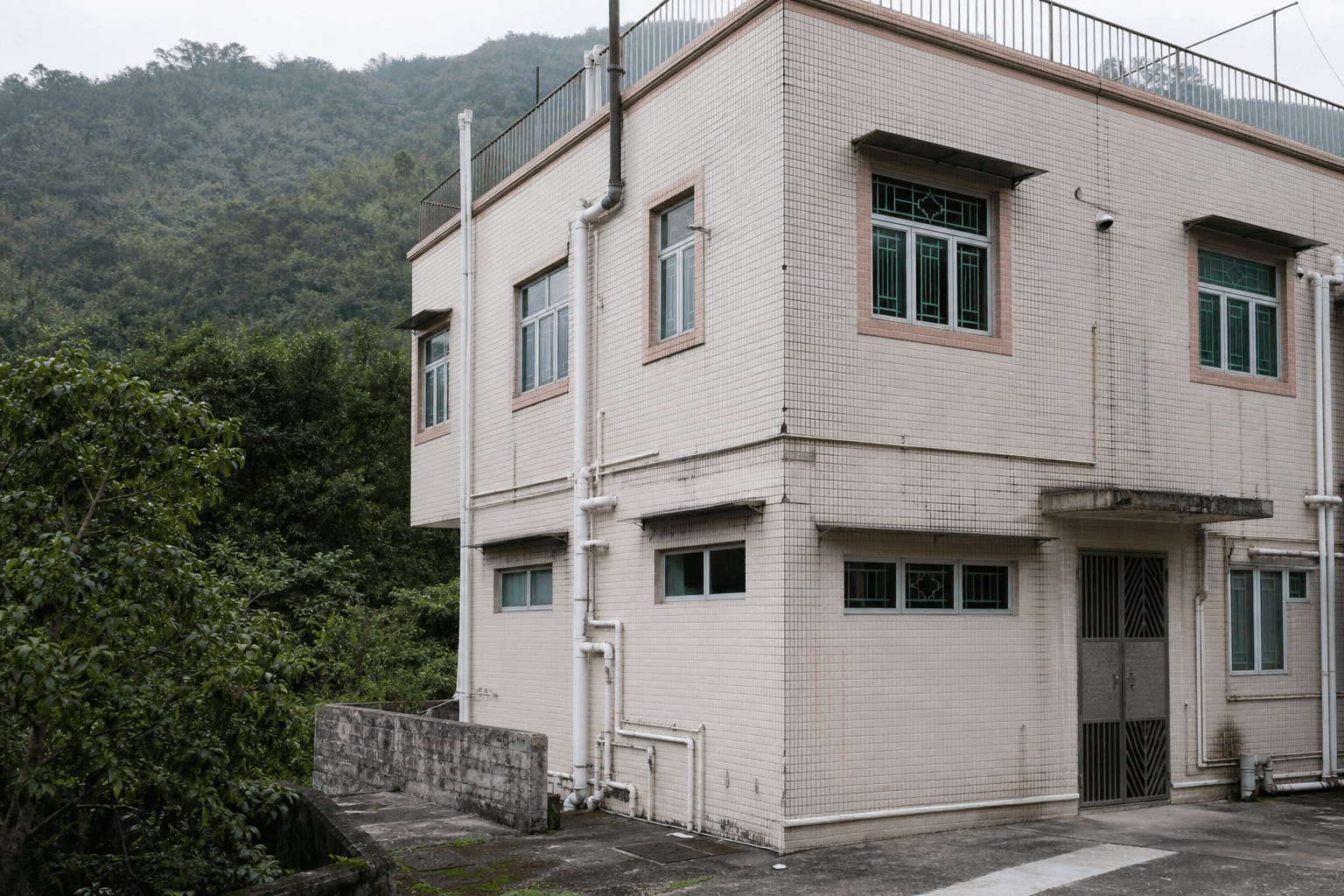
Termites in Sai Kung Town and the rural belt

Detached houses on rural lots, with country park and scrub on both sides, keep termites and rodents on the watch list; a structural inspection is strongly recommended before moving in or starting renovation work — see our termite signs guide and general termite information. Sai Kung Town's mosquito index already hit 5.7% in March, while most other monitoring areas were still at 0.0% that month, suggesting the rural mosquito season here starts earlier.

Tseung Kwan O North's mosquito index is among the highest anywhere

It recorded 35.3% in May, one of the highest single readings in the entire dataset; FEHD publishes no per-district cause and we won't infer one; what we will say is that podium gardens and drainage systems are the places worth checking first.

Tseung Kwan O estate management split

Most of Tseung Kwan O is large-scale public and private estates sharing refuse rooms and drainage; common areas are the management office's responsibility, while the defence inside your own flat — sealing plus residual treatment — is yours. Real results need both sides working together.

Rural rodent risk stays low but shouldn't be ignored

Sai Kung District's annual Rodent Infestation Rate ran between 0.9% and 4.3% from 2016 to 2023, with 2023's 4.3% a mid-range reading. That index draws on roughly 50 monitoring points territory-wide, and Sai Kung's own share is limited — it isn't a door-to-door survey, so village-house residents should still watch for gnaw marks themselves.

Service area

Sai Kung Town, Tseng Lan Shue, Tai Mong Tsai, Clear Water Bay, Tseung Kwan O (East, South, North, West), Hang Hau and Po Lam — village houses, estates and mixed commercial-residential buildings all covered.

Pricing

Averta's published prices are the same across all 18 districts: cockroaches/ants from HK$980, rodents from HK$1,680, bed bugs from HK$2,980, termites from HK$3,380; a Sai Kung District home inspection is HK$350, fully credited when you book. Village-house structural cases are quoted after inspection; estates and commercial premises are quoted based on the site.

Village house or Tseung Kwan O estate, we've got the right approach for both

Frequently asked questions

Are mosquitoes really worse in Tseung Kwan O North, or is that just perception?

The data backs it up. FEHD's mosquito-trap index recorded 35.3% at Tseung Kwan O North in May 2026, one of the highest readings across all monitoring areas; Tseung Kwan O East recorded 27.0% the same month. Readings like these point to the importance of managing standing water at the source — podium gardens, drainage channels and planter trays need regular clearing, since spraying inside a flat alone won't fix it.

I'm renovating a village house in Sai Kung — should I get a termite inspection first?

Strongly recommended. Village houses in Sai Kung Town and the surrounding countryside have more timber structure and sit close to hillsides, putting them in a higher termite-risk category. Skip the check before renovation and you risk sealing a wall only to discover mud tubes afterward, at a much higher cost to fix. An inspection is HK$350, fully credited when you book — cheap insurance before you start work.

We see cockroaches in the corridor at our Tseung Kwan O estate and management says they're on it — do I still need to treat my own flat?

Yes. Common areas — refuse rooms, back stairwells, drainage — are generally the management office's responsibility, but whether pests can get into your unit is the part you control: sealing door gaps and drains, plus a residual barrier. At inspection we'll put in writing exactly what you can handle yourself and what's worth flagging to management.

WhatsApp QuoteCall