AFCD-registered products onlyTransparent pricingAll 18 HK districtsFree follow-up within warranty

DISTRICT

Pest Control in Eastern District: Two Very Different Building Types, and Mosquitoes on the Rise in Chai Wan

Eastern District sounds like one place, but it's really two different pest environments stitched together. Taikoo Shing and Kornhill anchor one of Hong Kong Island's largest concentrations of private estates, where management-office control of common areas is the norm and the real question is how the split between management and your own flat works. Shau Kei Wan and Sai Wan Ho are a different picture entirely — older tenement buildings sit alongside newer developments, with building age varying block by block. The mosquito data adds a story worth reading carefully: FEHD's monthly combined index at Chai Wan held at 0.0% to 0.8% from January through March 2026, then climbed clearly from April onward — 7.3% in April, 15.4% in May, 16.9% in June, three straight months of increase rather than a one-off blip. Over the same window, Shau Kei Wan and Sai Wan Ho recorded 12.6% in April, peaked at 17.0% in May (the highest single month recorded for that monitoring area this year), then eased to 14.3% in June. Both readings point to the same thing: in hillside, green environments like Eastern District, standing water management is what keeps the numbers down.

Local pest reality

Estate flats (Taikoo Shing, Kornhill area)

Dense blocks sharing refuse rooms and drainage; common areas are the management office's responsibility, but the defence inside your own flat — sealing door gaps and drains, plus a residual barrier — is on you. Real results need both sides working together.

Older buildings in Shau Kei Wan and Sai Wan Ho

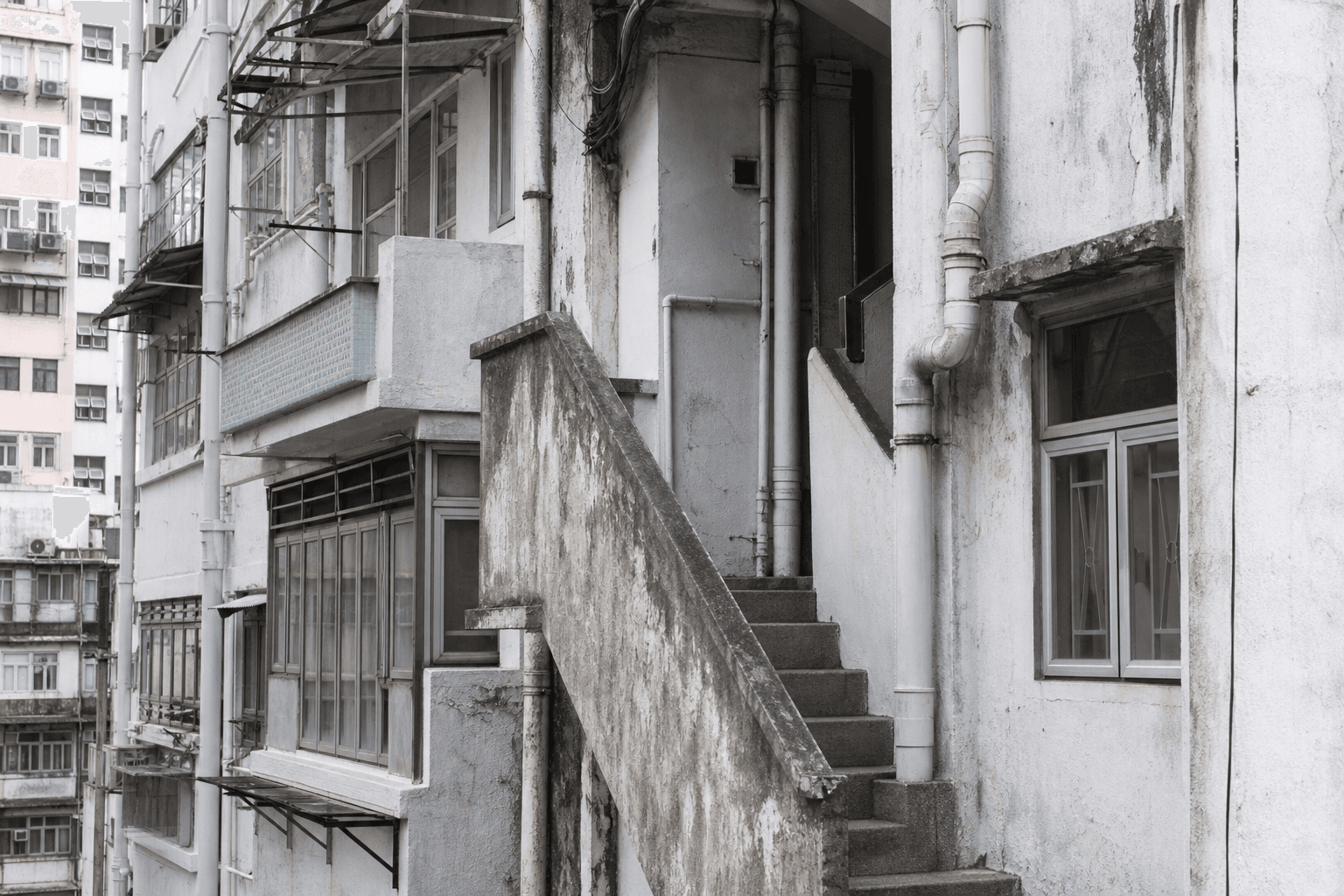
Building age varies a lot from block to block; wooden staircases and ageing drainage are common, and cockroach and rodent routes often run through shared piping — treating inside the flat is only half the job.

Chai Wan's rising mosquito index

The reading climbed from 0.8% in March to 16.9% in June, and hillside greenery around Chai Wan Park is part of the picture; standing water at the source — planter trays, rooftop clutter, back-lane drains — is the main front, and in-flat prevention only treats the symptom.

Shau Kei Wan/Sai Wan Ho's May peak

That monitoring area recorded 17.0% in May, its highest single month this year, before easing to 14.3% in June. A single area's single-month reading isn't the district-wide norm, but it's still worth checking standing water around your building.

Service area

Chai Wan, Shau Kei Wan, Sai Wan Ho, Heng Fa Chuen, Siu Sai Wan, Quarry Bay and North Point — large estates, tong lau and old buildings, and mixed commercial-residential blocks all covered.

Pricing

Averta's published prices are the same across all 18 districts: cockroaches/ants from HK$980, rodents from HK$1,680, bed bugs from HK$2,980, termites from HK$3,380; an Eastern District home inspection is HK$350, fully credited when you book. Large estate units and commercial premises are quoted after we see the site, and after-hours visits can be arranged.

Estate or old building, Eastern District gets the right approach

Frequently asked questions

We see cockroaches in the common corridor at Taikoo Shing/Kornhill — do I still need to treat my own flat?

Yes. Common areas — refuse rooms, back stairwells, light wells — are generally the management office's responsibility, but whether pests can get into your unit is the part you control: sealing door gaps and drains, plus a residual barrier. At inspection we'll put in writing exactly what's within your control and what's worth flagging to management.

Are mosquitoes really getting worse in Chai Wan?

The data backs it up. FEHD's mosquito-trap index held at 0.0%–0.8% at Chai Wan from January to March this year, then rose for three straight months — 7.3% in April, 15.4% in May, 16.9% in June. That's a sustained climb, not a one-off spike. Chai Wan sits close to hillside greenery around Chai Wan Park, and managing standing water — planter trays, rooftop clutter, back-lane drains — is the key lever.

What's different about pest control in Shau Kei Wan/Sai Wan Ho's older buildings compared to a big estate?

Completely different job. Older buildings are about structural age: wooden staircases, ageing drains, connected back lanes — cockroach and rodent routes usually run through shared piping systems. We seal entry routes before treating, which is a different model from the "management office plus your own flat" split you'd see at a large estate. Shau Kei Wan and Sai Wan Ho's mosquito index peaked at 17.0% in May this year (the highest single month) before easing to 14.3% in June, so standing water management matters here too.

WhatsApp QuoteCall