The short answer
Spot the occasional cockroach, and good hygiene plus correctly placed gel bait will usually sort it out yourself. But if you're seeing cockroaches in daylight, finding heavy droppings in kitchen cabinets, or you've got a baby or pets at home and don't want to handle pesticide, that's when to call a professional.
The Food and Environmental Hygiene Department (FEHD)'s home prevention advice is straightforward: keep the kitchen dry and clean, store food properly, seal cracks and crevices, and cover floor drains. Natural remedies like lemon peel and bay leaves are fine as air freshener — there's no reliable evidence they actually kill cockroaches.
The real goal isn't killing cockroaches — it's starving them out
Cockroaches only come indoors for three things: food, water and somewhere to hide. That's why every point in FEHD's home cockroach prevention guidance is about cutting off their supply: keep the kitchen dry and clean, store food properly, clear away food scraps thoroughly, seal cracks in walls and furniture, and cover floor drains. Skip these steps and even the strongest chemical just clears one wave before the next one arrives.
Natural remedies, rated
| Method | Does it work? | Why |
|---|---|---|
| Lemon peel / bay leaves / peppermint oil | Basically no | A commonly circulated "scent repels them" idea with no reliable evidence behind it; cockroaches are highly adaptable |
| Baking soda + sugar | Works in theory, weak in practice | Only effective if the cockroach eats enough of it, which is hard to guarantee in a real kitchen |
| Homemade boric acid mixture | Not recommended | A homemade formula isn't a registered pesticide, so there's no guarantee on effectiveness or safety, and keeping it away from children and pets is entirely on you |
| Pouring boiling water on a nest spot | Works immediately, but only treats the symptom | Kills what's there at that moment, not the hidden main population |
| Store-bought roach traps / sticky boards | Useful for monitoring | Better for gauging how bad the problem is than for actually clearing it |
| Correctly placed gel bait | The most effective DIY option | FEHD itself notes that bait kills not only the cockroaches that eat it but indirectly poisons others hiding nearby too |
DIY gel bait: 3 things you need to get right
- Use a registered product — under Hong Kong's Pesticides Ordinance (Cap. 133), only locally registered pesticides may be distributed and used here; follow the label instructions exactly. Be wary of unofficial "miracle" products with no clear origin.
- Placement matters — cockroaches travel along walls and hide in crevices, so bait goes under the fridge, behind the stove, in the back corners of sink cabinets and near floor drains, not out in the open in the middle of a room.
- Don't spray insecticide at the same time you're baiting — spray drives cockroaches away, so they won't cross to eat the bait; the two methods cancel each other out. (Our professional recommendation.)
When is DIY not enough, and you need a professional?
If any of the following apply, DIY generally can't keep up with the breeding rate:
- You're seeing cockroaches in daylight — cockroaches are nocturnal; daytime activity generally means their hiding spots are already overcrowded.
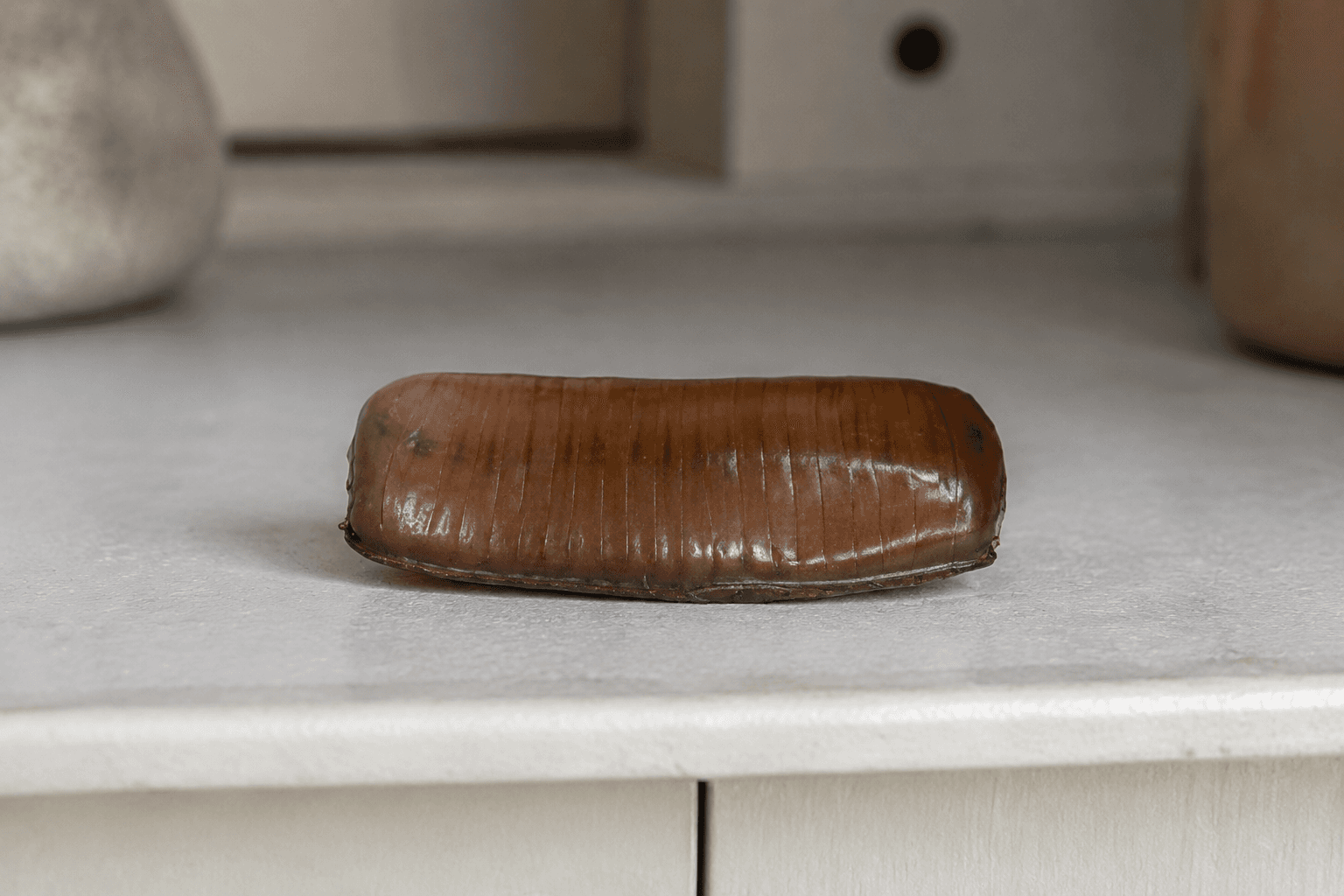
- Heavy black speck droppings or egg cases (small brown, capsule-shaped) in kitchen cabinets or drawer corners.
- You've had bait down for two to three weeks with no improvement.
- There's a newborn, an elderly person, or a pet at home, making self-administered chemicals riskier and more of a worry.
- Your flat is next to a restaurant or a refuse room — the source is outside your control, and you need a barrier-style treatment.
The difference between professional treatment and DIY isn't stronger chemicals — it's finding the hiding spots and entry routes, combining gel bait with residual treatment as the situation calls for, and following up during the warranty period until it's fully cleared. As a market reference, cockroach treatment in Hong Kong typically runs HK$500–1,500 (compiled from publicly available quotes as of July 2026, for reference only); Averta's cockroach/ant service starts from HK$980, with a HK$350 inspection fee fully credited when you book.